 Tajweed Rules
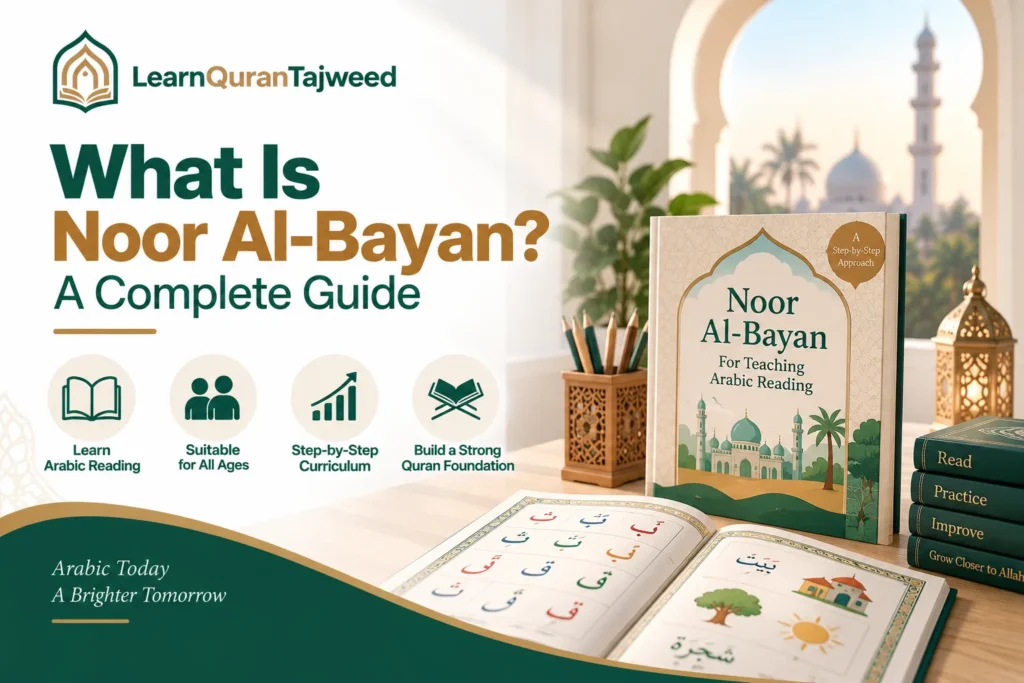
If you want to read Arabic confidently, the Noor Al-Bayan method is one of the most widely used ways to get there. Noor al-Bayan is a structured Arabic reading curriculum that teaches children and adults to read any correctly voweled Arabic text, including the Quran, usually within about four months of steady practice.
This guide walks through what the method actually teaches. It also illustrates what the book contains unit by unit, how to run a lesson at home, and where it falls short. You’ll also see how the English-instruction edition works for non-Arabic-speaking parents and tutors.
The Definition Of Noor Al-Bayan Method
Noor Al-Bayan is an Arabic literacy curriculum built specifically to prepare a learner to read the Quran with correct vowel marks (Harakat). It has been taught in Islamic nurseries for roughly twenty years, which makes it one of the more established phonics-style Arabic programs still in active use today.
Every stage of Noor Al-Bayan is built around Quranic vocabulary. This is a unique advantage that distinguishes it from any general Arabic reading primer. The curriculum draws on more than 1,500 words taken directly from the Quran.
As a result, a child isn’t just learning letters. They’re learning the exact words they’ll later meet in the mushaf.
Who Is Noor Al-Bayan For?
The method is flexible on age. It works for early childhood, late childhood, adolescence, and up through young adulthood (around 18 years old).
This is one reason it’s also popular with adult beginners who never learned to read Arabic as children.
What Age Should A Child Start Noor Al-Bayan?
Children can start as early as age three, well before school age (typically six). Starting at three gives you several years of runway before formal schooling begins. It lines up with a stage where children are already absorbing new vocabulary quickly.
The right starting point still depends on the child, not just their age. A child who learns through play, without pressure or repetition drilled harshly, tends to progress faster and enjoy the process. This is more important in the long-term than hitting a specific starting age.
Read also: What Is Qaida Noorania?
What Is Inside The Noor Al-Bayan Book?
Noor Al-Bayan book is organized as a progression, not a random collection of letter drills. Each unit builds directly on the one before it. Walk through it step by step, and don’t skip any part, to avoid creating gaps later.
The Seven Units Of The Noor Al-Bayan Curriculum
The book moves through these stages in order:
1. Introduction, orientation to the alphabet and the learning approach
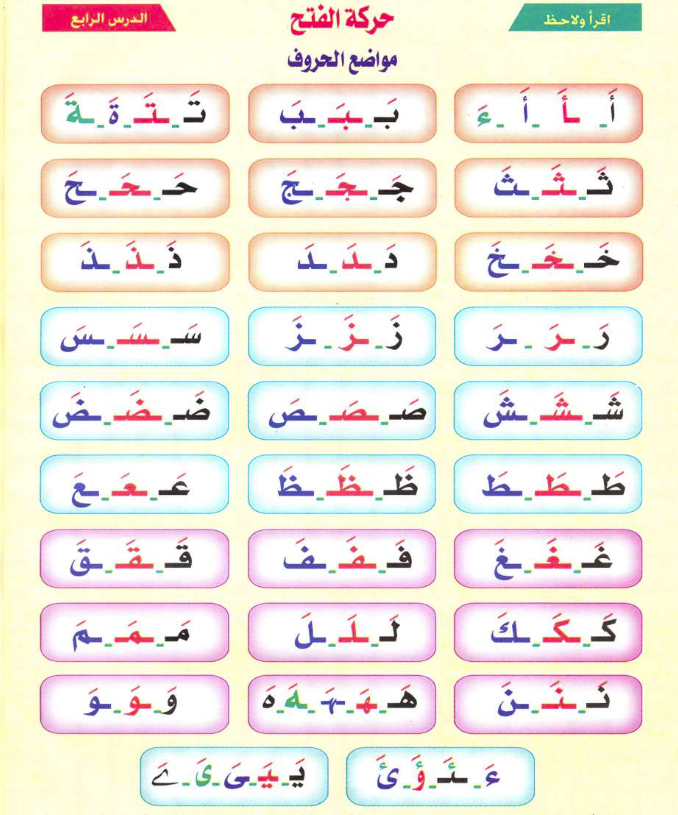
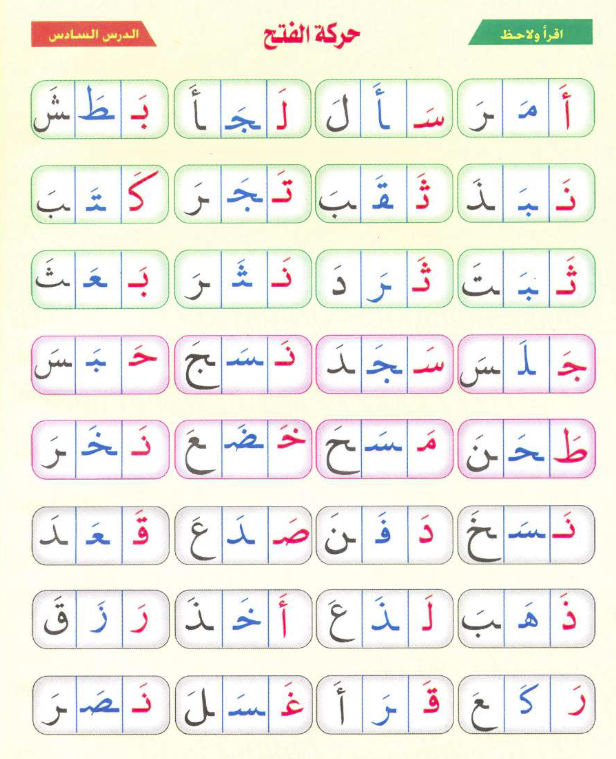
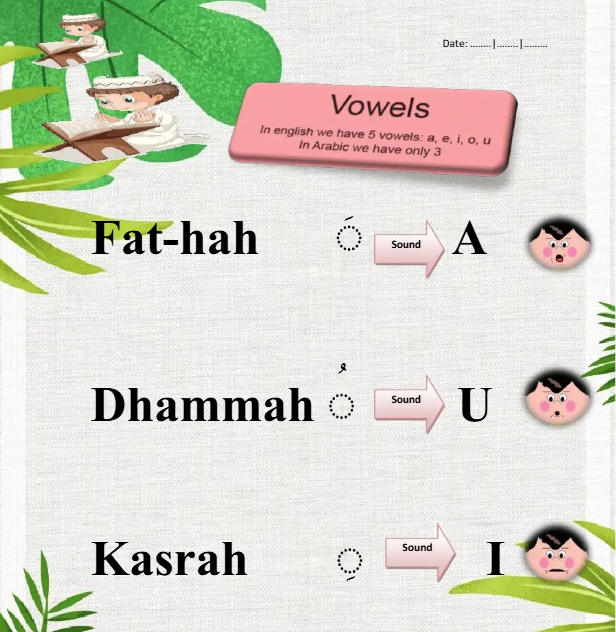
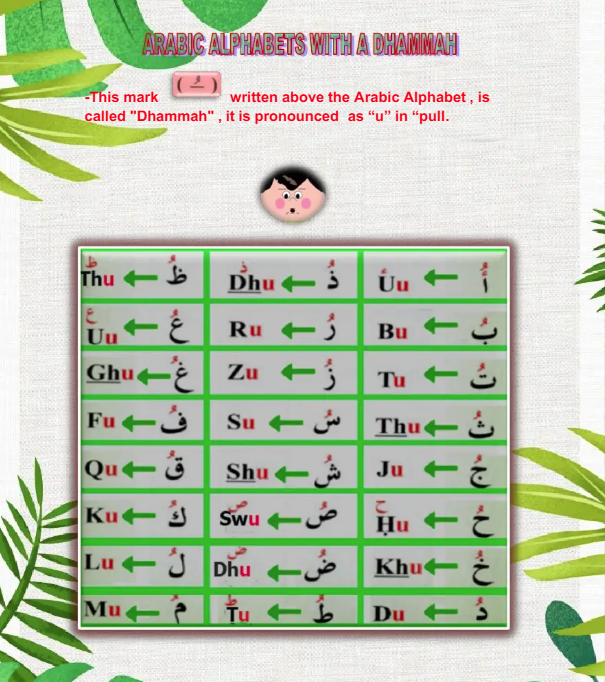
2. Letters and vowel marks (harakat), the alphabet paired with fatha, kasra, and damma
3. Madd (elongation), long vowel sounds using alif, ya, and waw
4. Sukoon, the resting/silent letter mark
5. Tanween, the double-vowel endings
6. Shaddah, the doubling/emphasis mark
7. Tajweed rules for Quranic recitation, plus Quranic script versus standard orthography
Read also: Online Tajweed Classes For Sisters – 10 Free Resources
Read also: How to Learn Quran with Tajweed at Home?
How The Letters Are Taught In Noor Al-Bayan
Inside the letters-and-vowels unit, the sequence is deliberate. A learner starts to pronounce each letter correctly from its articulation point (makhraj), then how to write it, before ever combining it with a vowel. Only after fatha is mastered does the lesson move to kasra, then damma, one vowel at a time, never all three at once.
The madd unit follows the same logic: alif-based elongation first, then ya, then waw, followed by combined drilling once each is secure on its own.
Noor Al-Bayan Versus Al-Qaida Al-Nooraniya
Parents researching Arabic phonics curricula for their children, or adult learners, often compare Noor Al-Bayan to Al-Qaida Al-Nooraniya. The core difference isn’t the teaching goal. Both methods aim at Quranic reading fluency.
Al-Qaida Al-Nooraniya relies on graded textbooks that increase in difficulty through letters, words, then sentences. Noor Al-Bayan typically uses simplified, color-illustrated books, which tend to make lessons feel more like an activity than a drill, especially for younger children.
If you’re building a Quran reading foundation with a Noor Al-Bayan tutor, this is exactly the kind of structured, level-by-level teaching you want in place from day one. A qualified instructor keeps the sequence intact instead of jumping between units before a child is ready.
Read also: The Difference Between Makhraj And Tajweed
Read also: The Noorani Qaida Tajweed Book
See Our Classrooms in Action
Watch these short clips from our live, interactive Quran courses to see how our students learn and interact with our expert tutors.
Perfect Your Quran Recitation Today
Join expert-led Tajweed classes, and recite the Quran with confidence and clarity.
Start Your Free TrialHow To Teach Noor Al-Bayan At Home
Running Noor Al-Bayan yourself is realistic if you commit to a consistent weekly rhythm. The method is built around at least two sessions per week, and the full curriculum is designed to be completed in around four months when you stick to that schedule.
1. Set Up Each Lesson Of Noor Al-Bayan
At the start of every session, write out the full alphabet on a whiteboard and read through it aloud four to five times. Pay close attention to the heavier (mufakhkham) letters. A common mistake here is rushing this warm-up.
Skipping it means the child/learner re-learns letter shapes instead of building automatic recall. This mistake slows the whole four-month timeline down.
2. Group Similar Letters In Noor Al-Bayan Book Together
Group visually similar letters into the same lesson instead of teaching all 28 letters in isolation. For example, ب، ت، ث in one session, then ج، ح، خ in the next. This is one of the reasons Noor Al-Bayan moves faster than letter-by-letter approaches. The student learns to distinguish look-alike letters early, before confusion sets in.
There are two teaching details that make a measurable difference. The first is to exaggerate the vowel sound when introducing it (over-pronouncing fatha, for instance, helps a student lock in the mouth shape).
The other is to give multiple example words per letter rather than a single repeated example. Variety builds recognition, not repetition of the same word.
Activities To Assure Understanding Of Noor Al-Bayan
Standard activities include coloring a 3D-style rendering of the letter, tracing it several times. Furthermore, there are activities of writing one example word and reciting the full alphabet aloud. Every new session should open with a review of everything covered so far, full alphabet recitation, plus a written recap of the letter groups already taught.
When all letters are covered, test orally first (letter recall, example words). You should then move to written testing, both in sequence and in random order. Random-order testing is the real check for mastery. Sequential recall can hide gaps; a student has actually memorized the order rather than the letters.
Learning at home works, but a lot of families reach the letter-grouping or tajweed units and want a second set of eyes to confirm pronunciation is correct.
That’s usually the point where enrolling with Learn Quran Tajweed for guided Noor Al-Bayan sessions saves months of trial and error, since a certified tutor can catch mispronounced articulation points a parent might miss.
Read also: Do I Have to Learn Tajweed?
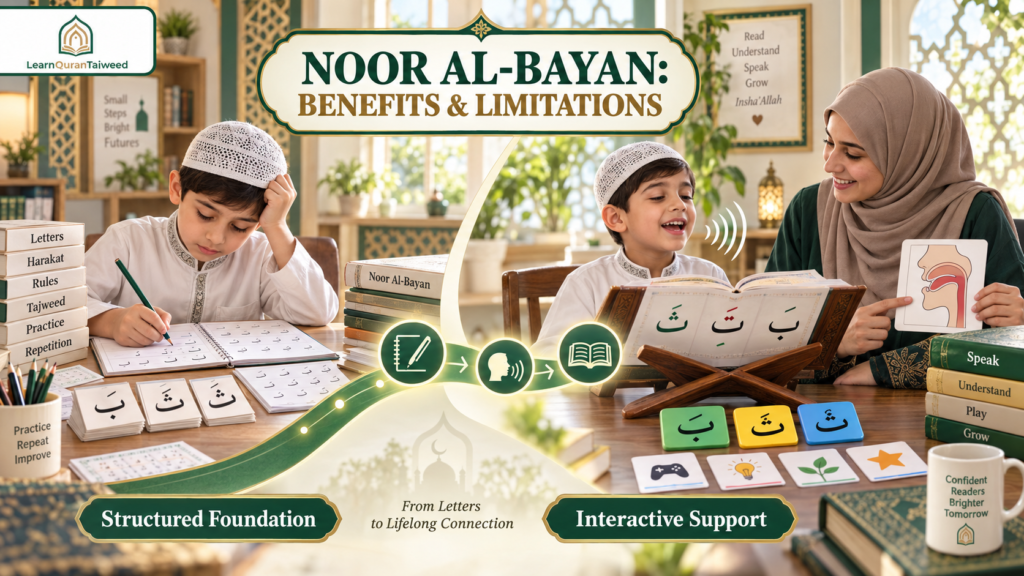
Benefits And Limitations Of Noor Al-Bayan
No single method is complete on its own, and Noor Al-Bayan is no exception. Knowing both sides helps you decide whether to supplement it.
Advantages Of Noor Al-Bayan
- Builds a fast route into Quranic recitation through a spelling-based (talamud) approach, suitable across age groups.
- Draws a clear line for the learner between everyday Arabic reading and Quranic reading.
- Introduces tajweed rules and recitation skills as part of the core curriculum, not as an afterthought.
- Prepares a learner to fully vowel and read the Quranic tablet (lawh) independently.
- Supports completing multiple full readings (khatmas) of the Quran over time.
Disadvantages Of Noor Al-Bayan:
- Heavy reliance on memorization and repetition over meaning, which can make connecting words into context harder.
- Limited attention to phonemic awareness, which can slow pronunciation and expression skills.
- Front-loaded rule density: the number of rules introduced early can overwhelm some learners before they gain confidence.
- Low interactivity: the traditional format offers fewer built-in opportunities for a child to participate actively, which can affect engagement
- One-size-fits-all pacing: the curriculum doesn’t naturally adjust for different learning speeds or styles
These gaps are also why Noor Al-Bayan sits in tension with constructivist and active-learning theories, both of which emphasize building knowledge through the learner’s own experience and participation rather than repetition alone.
A tutor who supplements the book with interactive drilling and play-based reinforcement addresses most of this gap directly.
Read also: The Benefits of Tajweed
Noor Al-Bayan With English Instructions
A specific edition, Noor Al-Bayan with English instructions, exists for households and tutors who don’t read Arabic fluently enough to follow the original teacher’s notes. These editions keep the same seven-unit structure and the same Quranic vocabulary base, but the instructional guidance for each lesson is written in English.
Who Needs The English-Instruction Edition
This edition matters most for non-Arabic-speaking parents homeschooling their children. It also benefits new Muslim adults learning to read for the first time and tutors teaching outside Arabic-speaking countries who still need the method’s exact sequencing to stay intact.
Where The Noor Al-Bayan Book Comes From
The original Arabic book, “Noor Al-Bayan for Teaching Reading and Quranic Recitation,” runs about 98 pages and falls under the Quranic readings and tajweed category.
English-language versions typically keep the same unit order but add explanatory notes alongside each lesson, so the sequencing described earlier in this guide still applies regardless of which edition you use.
Read also: How to Improve Tajweed?
Free Apps For Learning Noor Al-Bayan
There are several apps that offer illustrations and activities of the Noor Al-Bayan method. You can choose what fits your time, understanding, and abilities.
1. The free Noor Al-Bayan – Interactive app provides a practical way for children, beginners, and non-native Arabic speakers to strengthen their reading skills through guided, step-by-step lessons. It moves learners gradually from recognizing letters to reading syllables, words, and short passages. It contains interactive exercises that reinforce essential topics such as short and long vowels, sukoon, shaddah, and letter combinations. It is also provided with colorful activities and immediate practice, making repetition more engaging.
The app is especially useful for self-study, revision between lessons, or additional practice alongside a qualified teacher, allowing learners to build confidence and progress at their own pace without paying for basic access.
2. The Noor Al-Bayan – Alphabet app helps children and beginners recognize Arabic letters and practise their pronunciation through audio lessons and interactive exercises. Its multilingual interface, simple activities, and self-paced format make learning Quranic reading more accessible and engaging.
Read also: Tajweed Rules with Examples for Kids
Inside Learn Quran Tajweed Academy
Curious about how online learning works? Peek inside our actual Quran classes and hear the beautiful recitation of our students and teachers.
Perfect Your Quran Recitation Today
Join expert-led Tajweed classes, and recite the Quran with confidence and clarity.
Start Your Free TrialLearn Noor Al-Bayan The Right Way — Start Your Foundation Today
Getting the letter groupings, the vowel sequencing, and the tajweed introduction right the first time is what actually keeps a child on the four-month timeline. Learn Quran Tajweed pairs you with a certified instructor trained specifically in the Noor Al-Bayan sequence, whether you’re starting at age three or picking up the method as an adult beginner. Book a free trial session and see how a guided lesson compares to teaching it alone.
Courses we offer:
- Online Tajweed Classes
- Learn Quran with Tajweed Online
- Beginner Tajweed Course
- Intermediate Tajweed Course
- Advanced Tajweed Course
- Amali (Practical) Tajweed Course
Courses we offer:
- Tajweed Course for Kids
- Tajweed Course for Adults
- Tajweed Course for Ladies
- Tajweed ul Quran Course
- Quran Recitation with Tajweed Course
- Quran Tarteel Course
- Tajweed Ijazah Program
Perfect Your Quran Recitation Today
Join expert-led Tajweed classes, and recite the Quran with confidence and clarity.
Start Your Free TrialConclusion
Noor Al-Bayan remains one of the fastest structured routes into Quranic reading, built on more than 1,500 Quran-based words and a seven-unit sequence that moves from letters through tajweed rules.
It works well for children starting around age three and adults alike, provided lessons follow the grouping and review structure the method depends on. Its limitations- heavy repetition, less focus on phonemic awareness, and low interactivity- are real, but they’re also exactly what a guided tutor or a well-run home routine can offset.
Whether you teach Noor Al-Bayan yourself or enroll your child with a tutor, the method gives you a clear, proven path to Quranic literacy.
Frequently Asked Questions
What Is The Noor Al-Bayan Method?
Noor Al-Bayan is a structured Arabic reading curriculum built around Quranic vocabulary, designed to take a learner from the alphabet through tajweed rules in about four months. It’s been used in Islamic nurseries for around two decades and suits learners from age three through adulthood.
How Long Does It Take To Finish Noor Al-Bayan?
Most learners complete the full Noor Al-Bayan curriculum in about four months with at least two sessions per week. The actual pace depends on the child’s response, how engaging the sessions are, and consistency of attendance.
What Age Should My Child Start Noor Al-Bayan?
Children can begin as early as age three, which gives several years before school starts at six. The right starting point still depends on the individual child’s readiness to learn through play rather than pressure.
Is Noor Al-Bayan The Same As Al-Qaida Al-Nooraniya?
No. Both aim at Quranic reading fluency, but Al-Qaida Al-Nooraniya uses graded textbooks of increasing difficulty, while Noor Al-Bayan typically uses simplified, color-illustrated books designed to feel more engaging for younger learners.
Does Noor Al-Bayan Teach Tajweed As Well As Reading?
Yes. The final unit of the Noor Al-Bayan book covers tajweed rules for Quranic recitation alongside the difference between Quranic script and standard Arabic orthography, so tajweed isn’t a separate add-on. It’s part of the core sequence.
What Does The Noor Al-Bayan Book With English Instructions Add?
It keeps the same seven-unit sequence and Quranic vocabulary base but adds lesson guidance in English, making it usable for non-Arabic-speaking parents and tutors teaching outside Arabic-speaking countries.
Related Articles
Tajweed Rules