 Tajweed Rules
Reciting Quran without understanding Tajweed symbols and stop signs can unintentionally alter meanings. Tajweed symbols exist to guard that meaning, guiding the tongue where breath, grammar, and belief must remain aligned.
Tajweed symbols—alongside the sciences of waqf and ibtida—form a structured system that governs when to stop, when to continue, and where to resume. Together, they preserve grammatical coherence, protect theological accuracy, and transform recitation from instinctive reading into deliberate, sound transmission.
What Are The Tajweed Symbols?
Tajweed symbols are specialized notations placed throughout the Mushaf (Quranic text) to guide reciters on where to pause, where to continue, and how to maintain grammatical and semantic integrity. These marks represent centuries of scholarly consensus on optimal recitation practices.
The symbols serve three critical functions. First, they prevent meaning distortion by indicating grammatically safe pause points.
Second, they enhance recitation flow by showing natural continuation points.
Third, they help learners develop proper breath control and pacing.
Without proper symbol recognition, reciters often pause mid-sentence, creating confusion about whether a statement is positive or negative. Similarly, continuing where a pause is required can connect unrelated concepts incorrectly.
At Learn Quran Tajweed Academy, our Beginner Tajweed Course dedicates focused sessions to mastering these symbols through personalized practice with Ijazah-certified instructors who correct real-time application errors during one-on-one recitation.
Begin your Tajweed journey with a free lesson

What is Waqf Meaning?
Waqf (وقف) literally means “stopping” or “pausing” in Arabic linguistic terminology. In Tajweed science, waqf refers to the intentional cessation of recitation at specific points while taking a breath before continuing.
Valid waqf must occur at the end of a complete word, never in the middle. The reciter stops their voice completely, takes a breath, then resumes recitation. This differs from sakt (brief pause without breathing) which serves different grammatical purposes.
Scholars categorized waqf based on grammatical completeness. Some stops are mandatory to preserve meaning, while others remain optional based on breath capacity. Understanding these categories prevents accidental meaning changes during recitation.
What is Ibtida Meaning?
Ibtida (ابتداء) means “beginning” or “starting” in Arabic. In Tajweed terminology, ibtida refers to the point where a reciter resumes recitation after performing waqf. Not every stopping point allows resumption from the immediately following word.
Proper ibtida requires grammatical independence. The word you begin with must start a complete, meaningful phrase that doesn’t create theological errors or grammatical incompleteness. Sometimes resuming requires going back several words before the waqf point.
Learn Quran Tajweed Academy’s Intermediate Tajweed Course specifically trains students to identify safe ibtida points through extensive Quranic passage analysis, ensuring they never accidentally begin recitation on grammatically dependent words.
Join our Intermediate Tajweed Course and get a free trial

Waqf and Ibtida in Quran Work Together to Maintain Meaning Integrity During Recitation
Waqf and ibtida function as complementary systems that protect Quranic meanings from distortion. Every waqf symbol implies specific ibtida rules, though these aren’t always explicitly marked in the Mushaf.
The relationship follows logical principles. If waqf is prohibited at a location, ibtida is similarly prohibited immediately after that point. If waqf is mandatory, continuing without pause violates meaning preservation.
Understanding this relationship helps reciters develop recitation intelligence. They learn to anticipate safe pause points even in unmarked sections by recognizing grammatical patterns and semantic relationships between phrases.
Advanced students studying waqf and ibtida develop the ability to make informed pausing decisions in passages without explicit markings, relying on grammatical knowledge and semantic awareness cultivated through systematic training.
Tajweed Stop Signs Include Six Primary Symbols That Guide Your Pausing Decisions
The Mushaf contains six fundamental stop signs that communicate different levels of pausing permission and requirement. Each symbol provides clear instruction about whether stopping is mandatory, recommended, permissible, or forbidden.
These symbols were standardized across most modern Mushafs, though minor variations exist between different printed editions. Learning the standard system used in your Mushaf ensures consistency in application.
1. Waqf Lazim Symbol (مـ) Requires Mandatory Stopping to Prevent Meaning Distortion
The symbol (مـ) marks waqf lazim, meaning “obligatory stop.” When you encounter this mark, you must stop and cannot continue without pausing. Continuing would create serious meaning confusion.
Consider this example from Surah Al-An’am:
إِنَّمَا يَسْتَجِيبُ ٱلَّذِينَ يَسْمَعُونَ ۘ وَٱلْمَوْتَىٰ يَبْعَثُهُمُ ٱللَّهُ
Innama yastajibu alladhina yasma’un (مـ) walmawta yab’athuhumullaah
“Only those who hear will respond. (مـ) But the dead – Allah will resurrect them.” (Al-An’am 6:36)
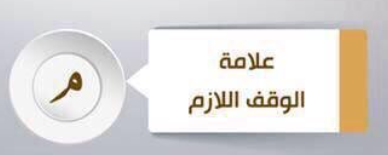
Without stopping at (مـ), the sentence would incorrectly suggest dead people respond, completely inverting the intended meaning. The mandatory stop separates those who respond (living believers) from those who don’t (spiritually dead).
After stopping at (مـ), you must resume recitation with the word immediately following it. The symbol mandates both stopping and specific ibtida location.
2. Waqf Mamnu’ Symbol (لا) Prohibits Stopping to Preserve Grammatical Connection
The symbol (لا) indicates waqf mamnu’, meaning “prohibited stop.” You must not pause at this location because stopping would sever grammatically dependent elements or distort intended meanings.
This example from Surah Al-Baqarah demonstrates the concept:
ثُمَّ لَا يُتْبِعُونَ مَآ أَنفَقُواْ مَنًّا وَلَآ أَذًى ۙ لَّهُمْ أَجْرُهُمْ عِندَ رَبِّهِمْ
Thumma la yutbi’una ma anfaqu mannan wala adhan (لا) lahum ajruhum ‘inda rabbihim
“Then do not follow what they spent with reminders or injury – (لا) they will have their reward with their Lord.” (Al-Baqarah 2:262)
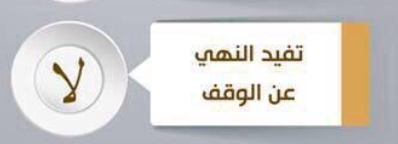
Stopping at (لا) would separate “they will have their reward” from the people it refers to, creating grammatical incompleteness. The phrase “lahum ajruhum” (they will have their reward) depends on the preceding description.
When you see (لا), maintain continuous recitation through that point without breathing or pausing until you reach a permissible stop location.
3. Waqf Awla Symbol (صلي) Indicates Continuing Is Preferable Though Stopping Remains Permitted
The symbol (صلي) represents waqf awla or wasl awla, meaning “connection is preferable.” While stopping is grammatically permissible, continuing provides better meaning flow and semantic cohesion.
From Surah Al-Baqarah:
قُلْنَا ٱهْبِطُواْ مِنْهَا جَمِيعًا ۖ فَإِمَّا يَأْتِيَنَّكُم مِّنِّى هُدًى
Qulnah bitu minha jami’an (صلي) fa-imma ya’tiyannakum minni hudan
“We said, ‘Go down from it, all of you. (صلي) And when guidance comes to you from Me…'” (Al-Baqarah 2:38)
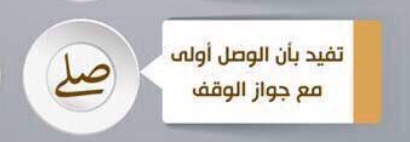
While stopping at (صلي) is permissible, continuing better connects the command to descend with the subsequent promise of guidance, showing their logical relationship.
Learn Quran Tajweed Academy’s Advanced Tajweed Course trains students to recognize these nuanced preferences, developing recitation sensitivity that chooses optimal pausing even when multiple options are valid.
Reserve your free trial lesson for Advanced Tajweed Course

4. Waqf Ja’iz Symbol (ج) Permits Equal Choice Between Stopping and Continuing
The symbol (ج) marks waqf ja’iz, meaning “permissible stop.” Both stopping and continuing are equally acceptable from grammatical and semantic perspectives. The choice depends on breath capacity and recitation preference.
Example from Surah Al-Hujurat:
وَٱعْلَمُوٓاْ أَنَّ فِيكُمْ رَسُولَ ٱللَّهِ ۚ لَوْ يُطِيعُكُمْ فِى كَثِيرٍ مِّنَ ٱلْأَمْرِ لَعَنِتُّمْ
Wa’lamu anna fikum Rasulallah (ج) law yuti’ukum fi kathirin minal-amri la’anittum
“And know that among you is the Messenger of Allah. (ج) If he were to obey you in much of the matter, you would suffer.” (Al-Hujurat 49:7)
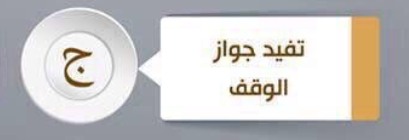
Both phrases are complete in meaning independently. Stopping creates a brief pause for emphasis, while continuing maintains smooth narrative flow. Neither choice affects meaning.
This flexibility allows reciters to adapt to their breath control needs without compromising recitation correctness.
Read Also: Do I have to learn Tajweed?
5. Qawla Awla Symbol (قلي) Shows Stopping Is Preferable Though Continuing Remains Permissible
The symbol (قلي) indicates qawla awla or waqf awla, meaning “stopping is preferable.” While continuing is grammatically acceptable, pausing provides better semantic separation or emphasizes distinct concepts.
From Surah Al-Kahf:
قُل رَّبِّىٓ أَعْلَمُ بِعِدَّتِهِم مَّا يَعْلَمُهُمْ إِلَّا قَلِيلٌ ۗ قلي فَلَا تُمَارِ فِيهِمْ إِلَّا مِرَآءً ظَـٰهِرًا
Qul rabbi a’lamu bi-‘iddatihim ma ya’lamuhum illa qalil (قلي) fala tumari fihim illa mira’an dhahiran
“Say, ‘My Lord knows best their number; none knows them except a few.’ (قلي) So do not argue about them except with an obvious argument.” (Al-Kahf 18:22)
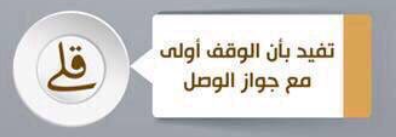
Stopping at (قلي) separates the statement about limited knowledge from the instruction not to argue, creating clearer distinction between informative and imperative statements.
However, continuing doesn’t create grammatical error, making the stop preferential rather than mandatory.
Read Also: Tajweed – Meaning, Types, History, and More
6. Waqf Mu’anaqah Symbols (Triple Dots) Allow Stopping at Only One Location Not Both
Triple dots (∴) appear at two nearby locations, indicating waqf mu’anaqah or “embracing stops.” You may stop at either marked position but not both. Stopping at both would create redundancy or awkward pacing.
Example from Surah Al-Baqarah:
ذَٰلِكَ ٱلْكِتَـٰبُ لَا رَيْبَ ∴ فِيهِ ∴ هُدًى لِّلْمُتَّقِينَ
Dhalikal-kitabu la rayba (∴) fihi (∴) hudan lilmuttaqin
“This is the Book about which there is no doubt, (∴) a guidance for those conscious of Allah.” (Al-Baqarah 2:2)
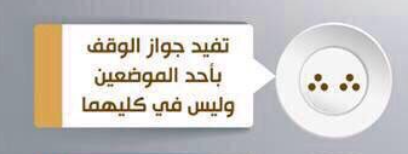
You may stop after “la rayba” (no doubt) or after “fihi” (in it), but stopping at both creates choppy, unnatural recitation flow. Choose based on breath capacity and emphasis preference.
If stopping at the first position, continue through the second without pausing. If continuing through the first, you may stop at the second.
Read Also: Is Tajweed Obligatory?
Additional Tajweed Symbols Beyond Stop Signs Guide Pronunciation and Letter Treatment
Beyond stop signs, several symbols indicate pronunciation modifications or letter treatment requirements during recitation.
Read Also: Is Tajweed Obligatory In Salah?
1. Silent Letter Symbol (Superscript Circular Mark) Indicates Letters Not Pronounced
A small circular mark (ْ) above certain letters indicates those letters are written but never pronounced in any circumstance. These appear in specific Quranic orthography situations.
Examples include:
وَثَمُودَاْ فَمَا أَبْقَىٰ
Wathamuda fama abqa
“And Thamud – and He did not spare [them].” (An-Najm 53:51)
The alif after “Thamuda” carries the silent marker, indicating complete omission in pronunciation regardless of whether continuing or stopping.
سَلَـٰسِلَاْ وَأَغْلَـٰلًا وَسَعِيرًا
Salasila wa-aghlalan wa-sa’iran
“Chains and shackles and burning fire.” (Al-Insan 76:4)
The final alif in “salasila” is never pronounced, marked by the silent letter symbol.
These markers prevent common pronunciation errors where learners might vocalize written letters that historical Quranic orthography includes but pronunciation excludes.
Read Also: How to Learn Tajweed?
Perfect Your Quran Recitation Today
Join expert-led Tajweed classes, and recite the Quran with confidence and clarity.
Start Your Free TrialRead Also: How to Learn Quran with Tajweed at Home?
2. Hamzat Wasl Symbol in Words Like “Ula’ika” Requires Specific Pronunciation Rules
Words like “أُو۟لَـٰٓئِكَ” (ula’ika – those) contain small circular marks indicating hamzat wasl treatment. When beginning recitation with these words, the hamza is pronounced. When continuing from previous words, it’s dropped and the vowel connects.
If starting fresh: “U-la-i-ka” with full hamza pronunciation.
If continuing: The preceding word’s final vowel connects directly to “la-i-ka” without pronouncing the initial hamza.
Learn Quran Tajweed Academy’s Tajweed Ijazah Program rigorously tests students on these pronunciation subtleties, ensuring mastery of every symbol before certification under qualified Ijazah-holding scholars.
Join our Tajweed Ijazah Program and get a free trial
Read Also: How Long Does It Take to Learn Tajweed?
Master Quran Tajweed Symbols with Learn Quran Tajweed Academy
Understanding Tajweed symbols and stop signs transforms mechanical reading into meaningful, accurate Quranic recitation that preserves divine message integrity. These skills require expert guidance and systematic practice.
Learn Quran Tajweed Academy offers comprehensive training through:
- Ijazah-certified Qaris with authentic transmission chains who correct real-time application
- Structured progression from Beginner Tajweed Course through Advanced Tajweed Course to Tajweed Ijazah Program
- Personalized one-on-one instruction addressing individual symbol recognition challenges
- Interactive recitation correction with immediate feedback on stopping accuracy
- Quran Tarteel Course developing measured recitation that applies symbols naturally
- Flexible 24/7 scheduling accommodating students globally
Start your journey toward precise, beautiful Quranic recitation. Book your free trial lesson today to assess your current symbol application level and receive a customized learning path designed specifically for your recitation goals.
Check out the best tajweed course for your needs:
- Practical Tajweed Course
- Beginner Tajweed Course
- Intermediate Tajweed Course
- Advanced Tajweed Course
- Quran Tarteel Course
- Tajweed Ijazah Program
- Tajweed Course for Sisters
- Tajweed course for Kids
Book your free trial Tajweed lesson today to assess your current application of Tajweed rules and receive a customized learning path toward recitation mastery.

Conclusion
Tajweed stop signs are not decorative marks scattered across the Mushaf; they are functional safeguards. Each symbol communicates a precise instruction—mandatory stopping, prohibited pauses, or flexible options—designed to prevent meaning distortion and maintain linguistic integrity during recitation.
Waqf and ibtida operate as a unified framework. Stopping correctly is only half the responsibility; resuming from a grammatically sound position completes the act. Mastery emerges when reciters understand how these two sciences reinforce one another across verses and passages.
Beyond stopping rules, additional Tajweed symbols refine pronunciation and articulation, ensuring written forms align with authentic oral transmission. When these elements come together, recitation becomes measured, accurate, and faithful—reflecting the depth, clarity, and precision the Quran demands.
Related Articles
Tajweed Rules

Leave a Reply